The real cost of device downtime is not the device
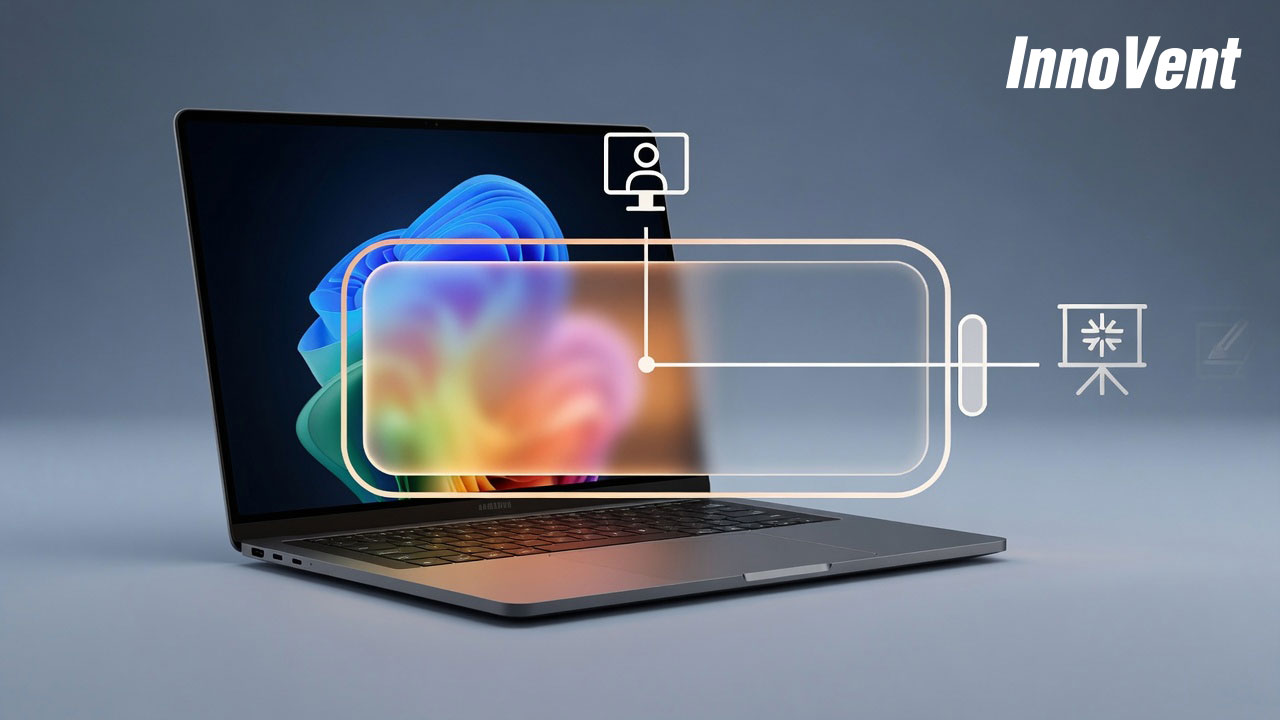
When a laptop dies mid-deal or mid-project, the cost is not the hardware - it is the lost productivity. Here is what your current fleet is actually costing you.
The downtime problem nobody puts in the spreadsheet
Enterprise device procurement decisions are typically built on three inputs: lease cost, specification against the required workload, and compatibility with existing infrastructure. All three are valid. None of them captures what happens when a device runs out of battery during a client presentation, refuses to restart before a critical deadline, or generates a helpdesk ticket in the middle of a working day.
Device downtime has a cost. It is measurable, it is material, and it is almost entirely absent from most procurement models. The device that appears cheapest on the lease cost comparison may be generating a substantially higher cost in lost productivity and support demand than the device that costs more per month to lease.
The question to ask about any device fleet is not what it costs to lease. It is what it costs to operate, including the time users spend not working because their hardware is failing them.
Battery life: the specification that matters most outside the office
Battery life is the most underweighted specification in enterprise device procurement. It rarely appears in the procurement brief, it is difficult to benchmark accurately from manufacturer claims, and its operational impact is distributed invisibly across dozens of users rather than appearing as a single line item on a cost report.
The reality in a hybrid working environment is that users are not always near a power source. They are in client offices without access to charging points. They are on trains and in airports. They are in meetings that run long. They are working through a full day of video calls without a natural break. In each of those situations, the device either keeps up or it does not.
The Samsung Galaxy Book 6 Enterprise delivers up to 24 hours of video playback battery life. Real-world usage will vary by workload and settings, but the device is engineered for a full professional working day and beyond - not a device that meets an eight-hour standard under ideal conditions and runs short by mid-afternoon under typical enterprise use.
For users who travel frequently for client-facing roles, work across multiple site locations, or move between meetings without a predictable return to a charging point, that battery capacity is not a luxury specification. It is the difference between a device that supports the working pattern and one that constrains it.
Fast charging and the thirty-minute window
Battery life matters, but so does recovery time. A device that takes three hours to reach full charge is a different operational proposition from one that can reach a useful charge level in the time between a morning session and an afternoon client call.
The Galaxy Book 6 Enterprise supports fast charging that restores a meaningful proportion of the battery within thirty minutes. A brief connection to power during a lunch break or a gap between meetings extends productive use by several hours. The device adapts to the working pattern rather than imposing its own requirements on the user's schedule.
Hardware reliability across the fleet lifecycle
Battery performance is one dimension of reliability. Hardware fault rate is another, and it has a direct, measurable impact on IT support cost across a managed fleet.
Enterprise-grade hardware is not a consumer device with a different price sticker. It is built to a different standard of component selection, thermal management, and build quality, tested against the operational demands of a managed corporate deployment. The Galaxy Book 6 Enterprise is designed to this standard, which is reflected in its fault profile across a standard lease term.
Across a fleet of several hundred devices, even a small difference in hardware fault rate produces a significant cumulative impact. Fewer faults means fewer helpdesk tickets, fewer device replacements within the lease term, and a lower total support cost per seat. None of these savings appear in the initial lease cost comparison. All of them appear in the IT cost report at year end.
What a complete device cost model should include
A procurement model that captures only the lease cost is leaving the most variable part of the cost picture out of the calculation. The inputs that tend to be missing are also the ones that produce the largest surprises in the IT budget across the deployment term.
- Estimated helpdesk interactions per device per year, based on your own historical data or published enterprise benchmarks
- Average time to resolve a hardware fault, including collection, repair or replacement, and redeployment to the user
- Lost productivity per fault event, estimated by role type and working pattern
- Battery-related productivity loss for field-based and frequently travelling users, quantified rather than assumed to be negligible
- End-of-lease hardware condition and its effect on residual value recovery or cost at the next refresh cycle
Run this model over a 36-month lease term and the difference between a genuinely enterprise-grade device and one that underperforms on reliability and battery is typically material. The question is whether the procurement model captures it before the decision is made.
InnoVent and the full lifecycle model
InnoVent manages the Samsung Galaxy Book 6 Enterprise on a full lifecycle basis, from deployment configuration through to end-of-lease handling. Our V-Track asset management platform provides visibility into the health and status of every device in the fleet throughout its deployment, so that reliability issues surface early rather than becoming productivity problems mid-contract.
If you would like to understand what a Built for Business fleet could look like for your organisation, including the lifecycle management and support cost model built into the comparison, speak to our team.
Related Blogs

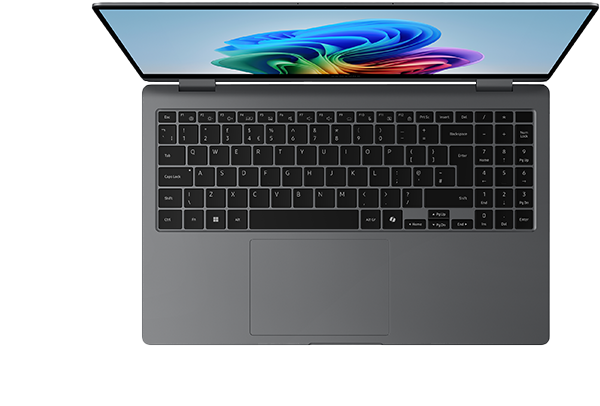
Why More Law Firms Are Taking a Fresh Look at Premium Business Laptops
For many law firms, choosing a laptop isn't simply about specifications. It's about providing fee earners and partners with a device that feels premium, performs consistently throughout the working day, and integrates seamlessly with the technology they rely on.
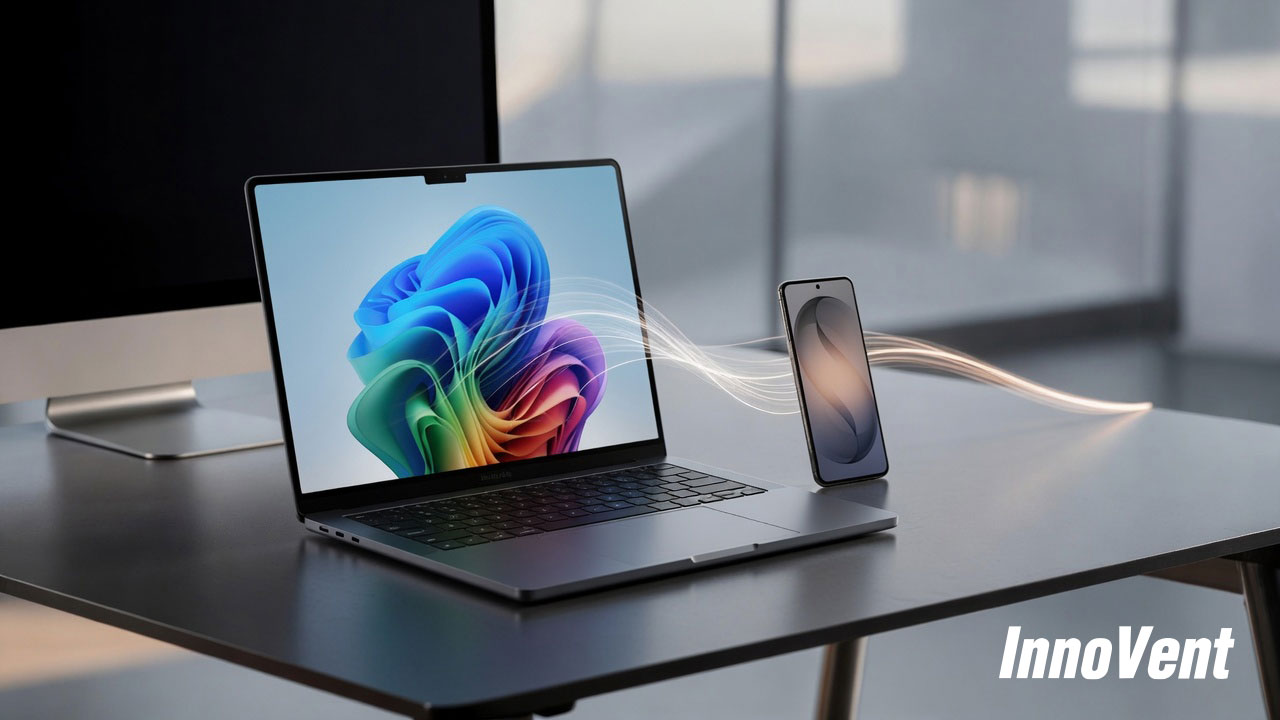
One ecosystem, zero friction
Your team already uses Samsung phones. What if their laptop worked seamlessly with them? Here is what the connected Samsung workplace actually looks like in practice.

AI at work: beyond the buzzword
Every device vendor says AI now. But what does on-device AI actually do for a corporate workforce on a Tuesday afternoon? Here is the honest answer for the Samsung Galaxy Book 6 Enterprise.