The enterprise IT problem nobody talks about
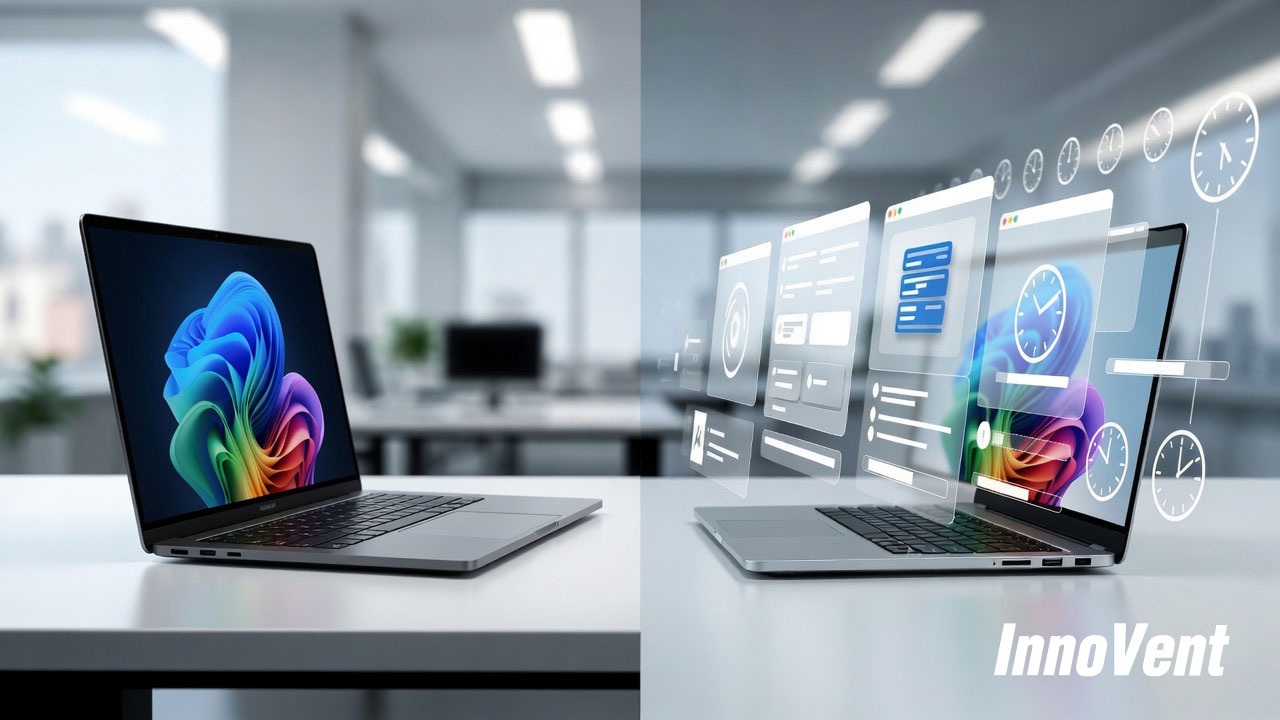
Most corporate laptops were not designed for corporate IT. They were built for individuals, then handed to your IT team to manage. Here is what that actually costs and why purpose-built enterprise hardware changes the equation.
A procurement assumption disguised as good practice
Most enterprise device procurement follows a familiar logic: take a product line designed for consumers or prosumers, apply a business software image, and roll it out across the fleet. It feels efficient. It leverages brand familiarity. It sidesteps the complexity of specifying something different. And it quietly creates a set of problems that accumulate across every refresh cycle.
Consumer laptops, even premium ones, were not engineered for managed IT environments. They were designed for individuals making their own configuration choices, not for IT departments responsible for deploying, securing, and maintaining hundreds of devices at consistent standards. The gap between what these devices were built to do and what enterprise IT needs from them is rarely visible on a spec sheet, but it shows up in every deployment.
The result is that IT teams absorb a hidden overhead on every device they touch: time spent re-imaging machines, configuring BIOS settings that were never designed to be standardised, managing firmware that was not built with enterprise security requirements in mind. It is not a crisis. It is a friction cost that compounds quietly across the life of every fleet.
What the gap actually costs
The most visible cost is IT team time. When a device requires manual configuration before it can be deployed, that time is absorbed invisibly into operations, rarely appearing as a line item against the original procurement decision. Across a fleet of several hundred devices, even an hour per machine adds up to weeks of IT capacity spent on avoidable setup.
But the cost does not stop at deployment. Devices that were not built for enterprise environments create downstream friction throughout their working life:
- Inconsistent security posture across a fleet where configuration cannot be fully standardised at the hardware level
- Greater IT support burden when devices behave differently from one another because they were not provisioned from a common baseline
- Reduced visibility into firmware integrity and device compliance, particularly relevant for organisations operating under regulatory requirements
- Longer deployment windows when new starters or replacement devices cannot be provisioned remotely or in advance
- Operational time redirected away from strategic IT work and toward routine configuration tasks that should not require skilled resource
None of these costs are dramatic in isolation. They are absorbed into business-as-usual IT operations and rarely interrogated against the original procurement decision. That is what makes them so persistent and so worth addressing.
The case for hardware built for enterprise from the ground up
The alternative to consumer-derived fleet hardware is not a return to heavy, expensive legacy enterprise machines. It is hardware that has been designed with enterprise deployment as the primary requirement rather than an afterthought.
That means devices where the IT team, not just the end user, is a first-class consideration in the product design. Where BIOS configuration, OS imaging, and asset management are built into the hardware architecture. Where security is a foundational element rather than a software layer applied on top. Where provisioning is designed to happen at scale, consistently, without manual intervention per device.
For most IT directors and procurement leads, this description will sound familiar as an aspiration. The challenge has historically been finding devices that actually deliver it, at a specification and price point that makes sense for a modern enterprise fleet.
The goal is not simply to reduce procurement complexity. It is to stop paying in IT time and security risk for every device that was never designed for the environment it is operating in.
Where the Samsung Galaxy Book 6 Enterprise Edition fits
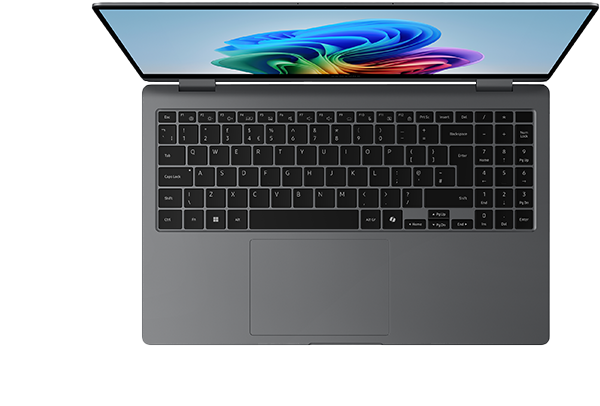
Samsung's Galaxy Book 6 Enterprise Edition is the first Galaxy Book designed specifically for enterprise deployment. Not a business variant of a consumer product. Not a standard laptop with an MDM profile configured post-purchase. A device where enterprise IT requirements informed the hardware design from the outset.
It ships with support for custom OS imaging, BIOS configuration and logo customisation, asset tagging, and Windows Autopilot, meaning devices can be prepared in advance and arrive ready for immediate use with standardised configurations across the fleet. For IT teams managing deployments at scale, the operational difference between this and a standard laptop is significant.
Powered by Intel Core Ultra Series 3 processors with Intel vPro, it sits firmly in enterprise hardware territory on performance and security, while carrying the design quality and ecosystem connectivity of the Galaxy range. At InnoVent, we work with UK businesses to build device strategies that match the right hardware to the right environment, and the Galaxy Book 6 Enterprise Edition is one of the most coherent additions to the enterprise portfolio we have seen in a while.
Over the next four weeks, we will be covering what enterprise-grade actually means in practice: security architecture, battery life and total cost of ownership, on-device AI, and the connected device ecosystem. Each week focused on a question that matters to the IT leaders and procurement teams making fleet decisions in 2026.
Starting the conversation
For IT directors and procurement leads approaching a refresh cycle, a few questions are worth asking before the next purchase order is raised:
- How much IT time is your current fleet consuming at deployment, and is that a function of the hardware or the process?
- Where are the gaps between your security requirements and what your current hardware was built to support?
- What is the true all-in cost per seat when deployment time, IT support, and lifecycle are included alongside the device price?
- What would a purpose-built enterprise device fleet look like for your organisation, and what would it save over a three-year cycle?
InnoVent has been helping UK businesses answer these questions since 2012. We are a vendor-neutral IT leasing and procurement partner, which means our interest is in finding the right solution for your organisation rather than pushing a single brand or specification. If you would like to discuss what a Built for Business device strategy could look like for your fleet, get in touch with our team.
Related Blogs

Why More Law Firms Are Taking a Fresh Look at Premium Business Laptops
For many law firms, choosing a laptop isn't simply about specifications. It's about providing fee earners and partners with a device that feels premium, performs consistently throughout the working day, and integrates seamlessly with the technology they rely on.
One ecosystem, zero friction
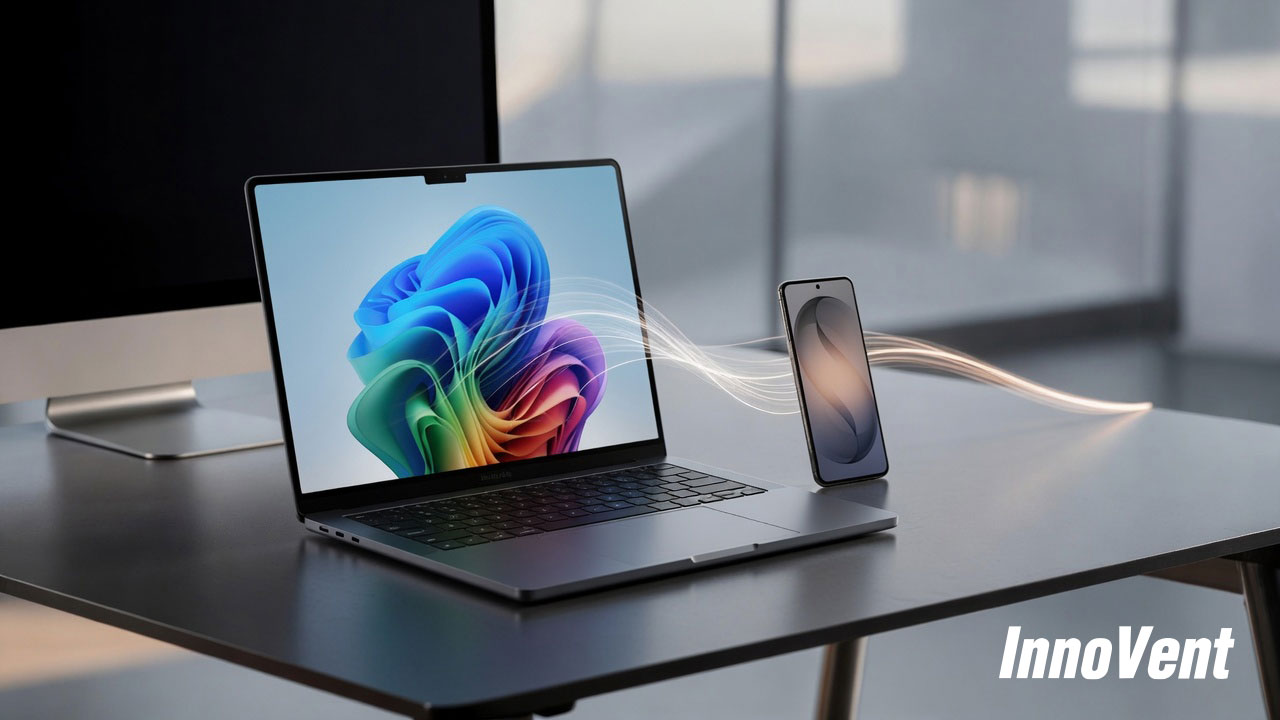
Your team already uses Samsung phones. What if their laptop worked seamlessly with them? Here is what the connected Samsung workplace actually looks like in practice.

AI at work: beyond the buzzword
Every device vendor says AI now. But what does on-device AI actually do for a corporate workforce on a Tuesday afternoon? Here is the honest answer for the Samsung Galaxy Book 6 Enterprise.