The iPhone 18 Is Coming - Is Your Business's Device Strategy Ready for It?
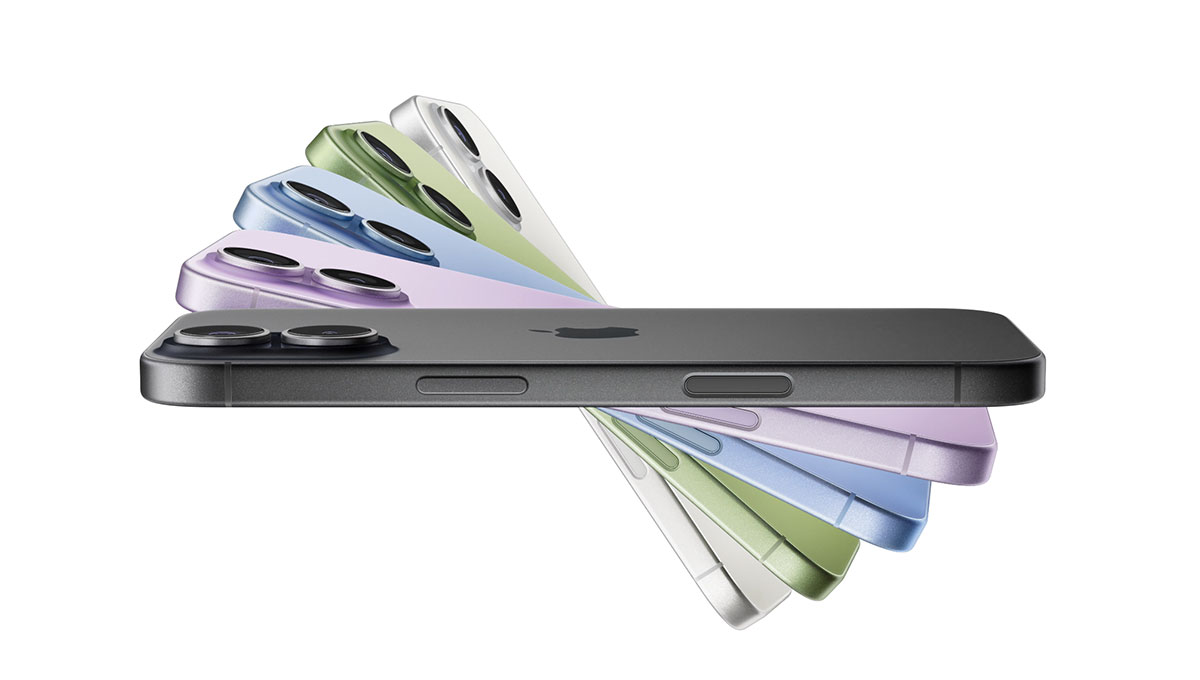
On 9 September, Apple will take the stage to unveil the iPhone 18 Pro, iPhone 18 Pro Max, and - for the first time in the company's history - a foldable iPhone. It's shaping up to be one of the most significant Apple events in years, with a new 2-nanometer chip, redesigned cameras, and a form factor Apple has never shipped before.
For consumers, it's a moment of genuine excitement. For businesses, it's a reminder of something less exciting but far more important: the pace of technology change isn't slowing down, and neither is the pressure to keep up with it.
The hidden cost of "keeping up"
Every major device launch puts the same question in front of IT and finance leaders: do we upgrade, and if so, how do we pay for it without tying up capital we need elsewhere?
It's a question that goes well beyond phones. The same cycle plays out with laptops, monitors, and infrastructure - technology that ages fast, depreciates faster, and creates a constant tension between staying current and staying within budget.
Businesses that buy outright often find themselves stuck with ageing kit because the CapEx to refresh it isn't there, or holding assets that have lost most of their value the moment a new model launches. Neither position is a good one to be in.
A smarter way to think about refresh cycles
This is exactly the problem device leasing solves. Instead of a large upfront spend followed by years of declining asset value, leasing turns technology into a predictable operating cost — one that can flex with genuine refresh cycles rather than being dictated by whatever budget happens to be available in a given year.
It also changes the conversation about "old" technology. Devices that come off-lease don't have to be write-offs. Through our 2nd Life IT proposition, retired equipment is refurbished and given a second commercial life - reducing waste, supporting sustainability commitments, and making high-quality technology accessible at a lower cost to organisations that don't need to own the newest model to be productive.
Staying relevant without overspending
Apple's iPhone 18 launch is a useful moment to ask a bigger question: is your organisation's device strategy built to absorb this kind of constant change, or is it just reacting to it?
The businesses that manage this well aren't necessarily the ones buying the newest technology first. They're the ones with a lifecycle strategy that lets them refresh on their terms - leasing to preserve cash flow, recycling value out of retired assets, and avoiding the boom-and-bust of large, irregular capital outlays.
That's the model we help businesses build every day.
Want to talk through what a flexible device refresh strategy could look like for your organisation? Get in touch with the InnoVent team.
Related Blogs
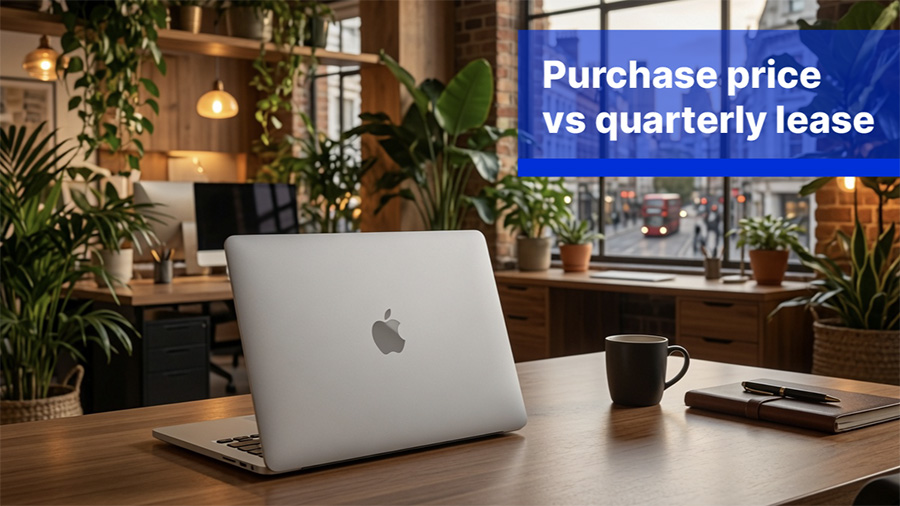
Apple vs Windows: you have been making the wrong comparison
Purchase price is the least useful metric for enterprise device decisions. Here is what a fair comparison actually looks like and why the gap is smaller than most procurement teams think.
.jpg)
The second life of enterprise hardware and why most organisations leave the value behind
Every device that leaves your organisation at end of lease has recoverable value. Most businesses let someone else recover it. Here is how to change that.