Apple vs Windows: you have been making the wrong comparison
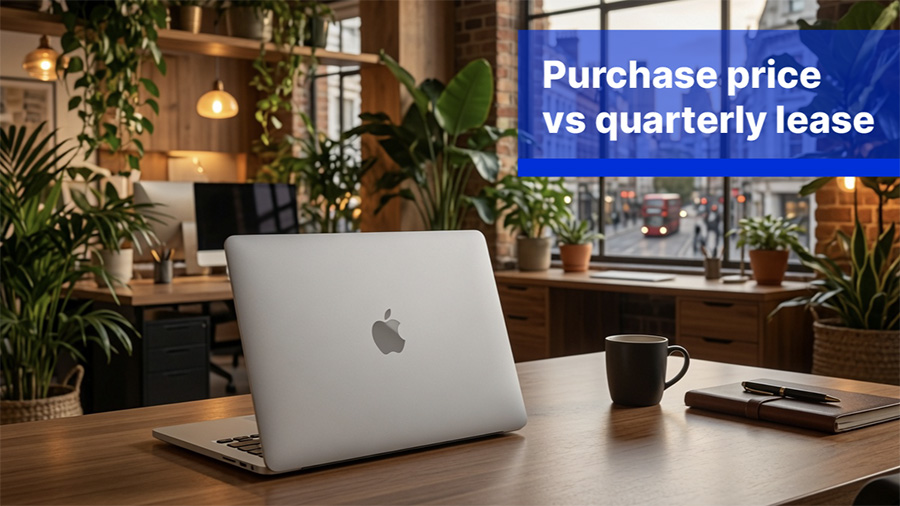
Purchase price is the least useful metric for enterprise device decisions. Here is what a fair comparison actually looks like and why the gap is smaller than most procurement teams think.
The comparison that ends the conversation too early
Every few years, someone in a procurement meeting opens a spreadsheet comparing the purchase price of a MacBook with a comparable Windows business laptop. The Windows machine is cheaper. The conversation moves on. Apple is ruled out, a familiar choice is made, and the same comparison will happen again at the next refresh cycle.
The problem is not the conclusion, it might well be the right one in a given context. The problem is the inputs. Purchase price alone captures a single moment in the asset's life and ignores everything that happens in the three or four years of active deployment that follow. It systematically undervalues factors that have a direct, measurable effect on what a device actually costs over its working life.
Comparing enterprise hardware on purchase price is like evaluating a company car fleet on the sticker price alone, without looking at fuel, servicing, insurance, or the value it holds when you hand it back.
What a complete comparison should include
A meaningful total cost comparison between Apple and Windows devices in a business context needs to capture the full picture of what the deployment will cost over its term. That means going beyond the device price to include:
- Quarterly lease cost, not purchase price. This is the actual cash flow impact for the majority of UK businesses operating on operating lease models
- Residual value at end of term, which directly affects what the lease costs per month from the outset
- IT support demand - helpdesk volume, hardware faults, imaging and deployment overhead per device
- Security management cost and incident frequency across each platform
- Productive useful life - the realistic period before performance decline begins to affect user output
- End-of-life value - trade-in credit, refurbishment return, or disposal cost
No single factor on this list is decisive. Taken together, they produce a materially different picture from a headline price comparison and that picture tends to favour Apple more than most procurement teams have modelled, particularly for organisations already operating on lease rather than purchase models.
The MacBook Neo and the entry-level argument
The MacBook Neo, launched in March 2026, changes the starting point of the Apple versus Windows comparison in a direct and practical way. Previously, the cheapest MacBook started at a price point that placed it firmly outside the conversation for standard productivity users in most enterprise deployments.
The Neo closes that gap. Powered by the A18 Pro chip with 8GB of RAM and a 13-inch Liquid Retina display, it is a capable everyday business device that enters the market at a price point where it competes directly with the Windows business laptops that have won by default in budget-conscious procurement decisions.
On a leased quarterly cost basis, accounting for Apple's residual value advantage over comparably priced Windows alternatives, the Neo's effective cost per seat for standard users is competitive in a way that no previous Apple device has been at volume. The pricing objection that has historically ended the Apple conversation at procurement stage is no longer as straightforward as it once was.
The MacBook Neo does not just lower Apple's entry price. It changes the starting assumption of the enterprise procurement comparison.
Support and security: the costs that do not appear on the invoice
IT support demand is one of the most consistently underweighted factors in enterprise device decisions, largely because it is difficult to isolate cleanly in most IT cost models. The evidence from organisations that have run mixed Apple and Windows fleets points consistently in the same direction: Apple hardware generates fewer helpdesk interactions, experiences fewer in-life hardware failures within the standard lease period, and requires less hands-on IT management per user.
The security picture follows a similar pattern. The macOS platform has a lower baseline exposure to the malware and ransomware landscape that accounts for a substantial proportion of enterprise IT security overhead in Windows environments. This does not mean Apple devices are immune from security incidents, and it does not reduce the need for professional endpoint management. But the cost of maintaining an equivalent security posture on Apple hardware is, for most organisations, lower and the frequency of security-driven disruption is reduced.
For a complete comparison, both factors deserve a line in the model. Their absence is one of the main reasons Apple consistently appears more expensive than it is in procurement comparisons.
Running the comparison properly
For organisations that want to conduct a genuine Apple versus Windows cost comparison rather than a purchase-price proxy, the methodology is straightforward. It requires a broader set of inputs and a three-year time horizon, but it is not technically complex.
- Source quarterly lease pricing for comparable specifications on both platforms at your expected deployment volume
- Ask your leasing partner for explicit residual value assumptions - these should be stated, not implied
- Estimate support cost per seat per year using your existing IT cost data or published benchmarks
- Factor in security management cost per seat across each platform
- Include end-of-life assumptions: trade-in value, refurbishment credit, or disposal cost
- Calculate all-in quarterly cost per seat over 36 months for each platform and compare
The result will not always favour Apple. Deployment context, existing infrastructure, volume, and organisational priorities all affect the outcome. But it will be an honest comparison and that is a better foundation for a significant procurement decision than a figure taken from a product page.
InnoVent builds comparative cost models for businesses evaluating their device procurement options. If you would like a like-for-like analysis for your organisation based on actual lease terms - including the MacBook Neo against your current Windows standard - speak to our team.
Related Blogs
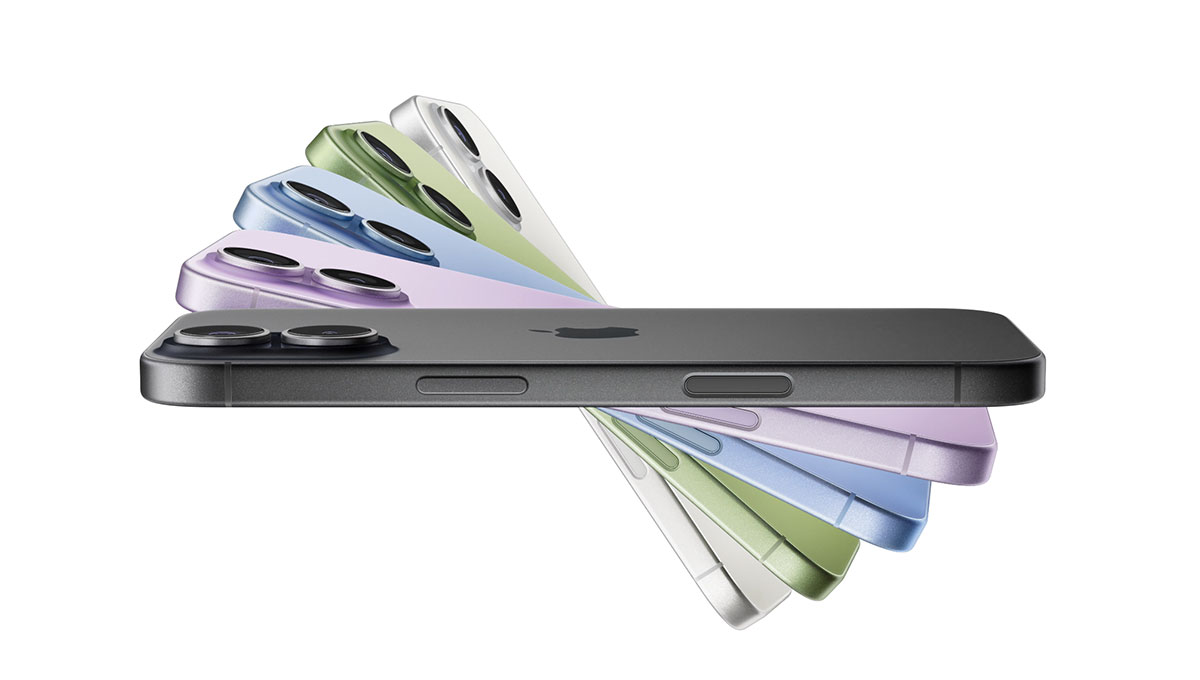
The iPhone 18 Is Coming - Is Your Business's Device Strategy Ready for It?
On 9 September, Apple will take the stage to unveil the iPhone 18 Pro, iPhone 18 Pro Max, and - for the first time in the company's history - a foldable iPhone. It's shaping up to be one of the most significant Apple events in years, with a new 2-nanometer chip, redesigned cameras, and a form factor Apple has never shipped before.
.jpg)
The second life of enterprise hardware and why most organisations leave the value behind
Every device that leaves your organisation at end of lease has recoverable value. Most businesses let someone else recover it. Here is how to change that.