Leasing vs Buying: Managing IT hardware costs during the RAM crisis
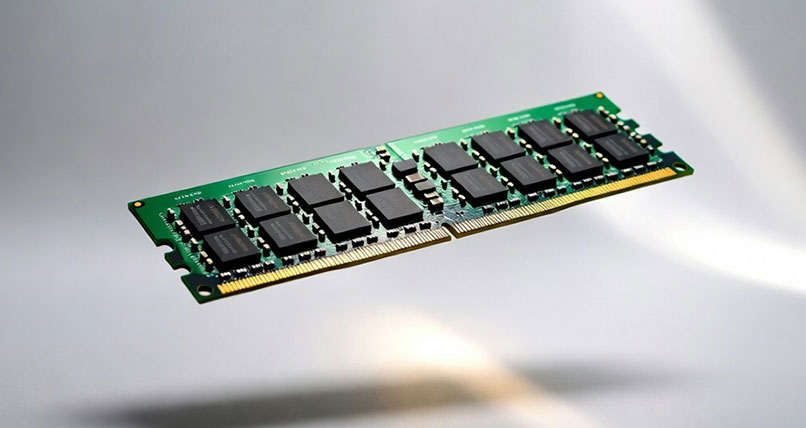
The global RAM shortage has disrupted supply chains, driven up hardware prices, and left IT teams scrambling to meet upgrade and refresh cycles. For organisations that traditionally buy hardware outright, this market volatility creates a real challenge: paying more upfront for equipment that may still be delayed, or stretching budgets to maintain critical IT services.
This is the moment to rethink your funding strategy. Leasing is no longer just a way to spread costs—it’s a powerful risk-mitigation tool in times of market uncertainty.
Residual Value Investment: Smarter leasing for rising costs
Many traditional leasing models simply extend agreements, leaving organisations to absorb higher market prices. Our approach is different. We refurbish and reintroduce devices at the end of each lease term, which allows us to invest a residual value (RV) into the initial lease.
What does this mean for you?
In a rising price environment, this RV investment offsets cost increases, so your organisation is not bearing 100% of today’s inflated hardware prices. Essentially, you’re making a smart investment in the first lifecycle of your equipment, reducing your total cost of ownership.
Protect cash flow during price spikes
Hardware cost increases don’t have to mean higher upfront capital expenditure. Leasing allows organisations to:
- Avoid large upfront payments for hardware
- Spread refresh costs over 3–4 years
- Maintain predictable quarterly payments
- Preserve working capital for strategic initiatives
In volatile markets, predictability is invaluable. By locking in manageable, regular payments, your organisation can continue refreshing IT infrastructure without compromising other critical projects.
Why organisations should consider leasing now
The current RAM crisis is a reminder that supply chain disruptions and price spikes are part of modern IT procurement. Leasing transforms this uncertainty into manageable risk, giving organisations the flexibility to maintain operational efficiency without overspending.
For IT teams facing tight budgets, unpredictable pricing, and the need for ongoing refresh cycles, leasing isn’t just a financial strategy—it’s a strategic advantage.
In summary, the RAM shortage and rising hardware costs are challenging, but your organisation doesn’t have to absorb all the risk. By embracing leasing with residual value investment, you can protect cash flow, reduce cost exposure, and maintain predictable IT refresh cycles.
Get in touch with us
Turn hardware volatility into a predictable IT strategy. If rising component costs are affecting your refresh plans, we can help.
Reach out to discuss how leasing can support your organisation.
Related Blogs

Why More Law Firms Are Taking a Fresh Look at Premium Business Laptops
For many law firms, choosing a laptop isn't simply about specifications. It's about providing fee earners and partners with a device that feels premium, performs consistently throughout the working day, and integrates seamlessly with the technology they rely on.

RAM price increases are disrupting education IT plans — Here’s what you can do next
For many schools, colleges, and universities, this is the time of year when IT and Finance teams finally get the green light on budgets. Plans are set, refresh cycles are approved, and procurement is ready to move forward. And then the numbers change.