Exploring features and benefits of the Intel 13th Gen Processor: Should businesses upgrade or wait?
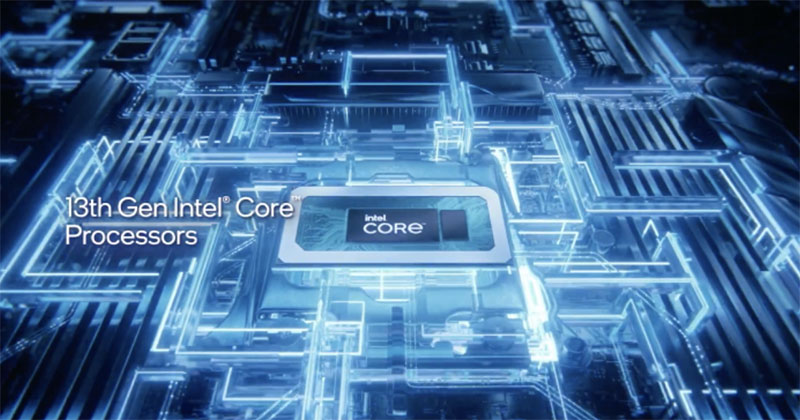
In recent months, computer manufacturers worldwide have unveiled their latest products featuring the cutting-edge Intel "Raptor Lake" Chip: the 13th Generation Core Processor.
Samsung was the first to introduce their new lineup, the Galaxy Book 3 range, in early March. Dell followed suit with offerings like the Latitude 9440 and 7440, among others. Lenovo joined the race with the Thinkpad T14 (Gen 4), and HP recently announced their EliteBook G10 series.
So, what sets Intel's 13th Generation processor apart and what are its key benefits?
Every new processor generation brings an improvement in performance, with an estimated average increase of 9%. However, what makes the Intel 13th Gen truly fascinating is its architecture.
Advertised as "the fastest chip Intel has ever built," this processor employs a hybrid structure that combines Performance Cores (up to 8) with Efficient Cores (up to 16) orchestrated by AI. Intel calls this the "Thread Director."

In simpler terms, this blend of AI and different cores creates lanes within the device's brain, similar to motorway lanes—fast, regular, and slow. Applications like Word or Excel can operate on regular or slow lanes since they don't require extensive processing power. On the other hand, power-intensive tasks such as Teams, Photoshop, or video playback require the fast lane. Artificial Intelligence assesses and understands when an application needs to be shifted to the fast lane, enabling users to multitask seamlessly and switch between apps effortlessly, thus enhancing their overall experience.
The question arises: Do businesses need to invest in the 13th generation now?
The answer hinges on your specific business requirements.
Many of our clients this year are planning to refresh their IT equipment, aligning with our recommended three-year refresh cycle. Some opt for the 13th gen, while others choose a previous generation that still offers significant improvements over their current equipment. Some even prefer a mix of generations.
Ultimately, the decision depends on the organization's needs. Selecting the right equipment is crucial, and our focus always remains on finding the best fit for a team's requirements and a company's budgetary constraints.
To learn more about our IT procurement service tailored for businesses, please click here.
Related Blogs

RAM price increases are disrupting education IT plans — Here’s what you can do next
For many schools, colleges, and universities, this is the time of year when IT and Finance teams finally get the green light on budgets. Plans are set, refresh cycles are approved, and procurement is ready to move forward. And then the numbers change.

InnoVent Partners with GBPO Solutions to Support the BPO Industry with Sustainable IT
Technology is the backbone of every BPO operation. Rapid onboarding, fluctuating headcount, contract-based growth and regular refresh cycles demand an IT model that is flexible, scalable and cost-predictable.
The 2026 RAM Crisis: Practical solutions for IT Leaders facing price rises and uncertainty
Memory prices are rising. Lead times are stretching. Vendor pricing is becoming unpredictable. For IT decision makers who traditionally cash-purchase their equipment, the current RAM crisis is more than a supply issue — it’s a budgeting and planning risk. Here’s what’s happening, and more importantly, what you can do about it.